


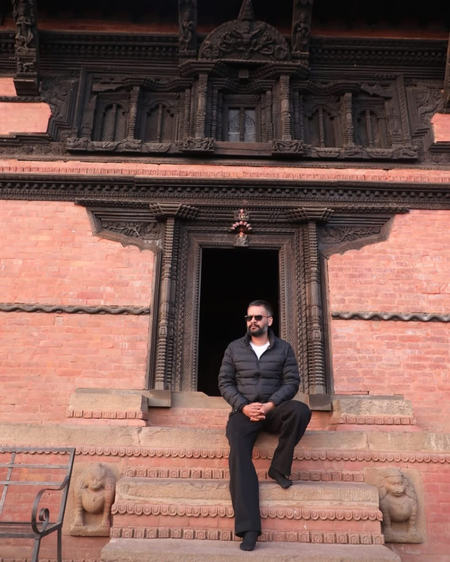
Former Mayor Balen Shah of Kathmandu Metropolitan City contested against former Prime Minister K P Sharma Oli in Jhapa-5 constituency for parliamentary elections. Despite skepticism, Shah secured a significant victory over Oli with 68,348 votes compared to Oli’s 18,734 votes. This marks the highest number of votes obtained by a House of Representatives candidate in Nepal since 1991.
Shah, a prime ministerial candidate from the Rastriya Swatantra Party (RSP) led by Rabi Lamichhane, emerged as a prominent figure in this year’s elections. The RSP, with Shah’s inclusion, has been successful in securing numerous wins and leading in most constituencies under the First-Past-the-Post system.
Born in 1990 into a Madhesi family in Kathmandu, Shah pursued a bachelor’s degree in Kathmandu before completing a master’s degree in Structural Engineering in India. His engineering background equipped him with insights into infrastructure, urban development, and public works, influencing his governance style during his tenure as Mayor of Kathmandu Metropolitan City.
Shah, known for his presence in Nepal’s underground hip-hop scene, gained popularity for his socially conscious lyrics reflecting Nepali society’s challenges. His candid music resonated with the youth, earning him a substantial following. Shah’s journey into politics began with his independent candidacy for Mayor of Kathmandu Metropolitan City in the 2022 local elections, where he emerged victorious.
As Mayor, Shah advocated for urban reforms, focusing on issues like waste management, regulation of illegal structures, transparency in municipal operations, and preservation of Kathmandu’s cultural heritage. His direct and confrontational approach towards bureaucratic inefficiencies and central authorities garnered both support and criticism.
Amidst public discontent with traditional political parties due to corruption scandals, Shah’s leadership style, characterized by challenging the status quo, gained traction. His alliance with Lamichhane under the RSP proved strategic, reshaping the political landscape post-elections. Shah’s ascent symbolizes a shift towards generational change in Nepal’s political arena, reflecting the growing demand for reform, accountability, and youthful leadership.
