


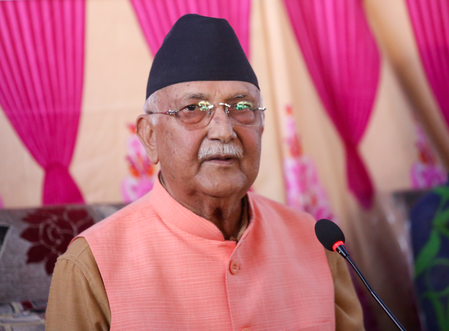
Nepal’s ex-Prime Minister, K.P. Sharma Oli, was arrested for his involvement in a culpable homicide case related to the violent suppression of anti-corruption protests in September 2025, leading to his ouster. The crackdown, known as the “Gen Z protests,” resulted in over 70 deaths, with many shot by police amid demonstrations fueled by public anger over corruption and economic challenges.
Former Home Minister Ramesh Lekhak was also apprehended for his alleged role in the same violent crackdown. The arrests were made based on recommendations from a high-level investigation panel that found both leaders negligent in preventing the deadly use of force against protesters.
The arrests took place following the panel’s examination of the unrest, which also suggested action against former police chief Chandra Kuber Khapung. Oli, however, had previously dismissed the panel’s conclusions as “character assassination and hate politics” in an interview with Annapurna Post.
The recent developments occurred after Balen Shah was sworn in as Nepal’s new Prime Minister post-crisis elections. The new Home Minister Sudan Gurung, a key figure in the protests, supported the arrests on Instagram, emphasizing the importance of upholding the law and seeking justice, not revenge.
These events signify a crucial juncture in Nepal’s political scene, highlighting the drive to hold former officials accountable for their actions during times of civil unrest, while demonstrating a renewed commitment to legal and institutional reforms.
