


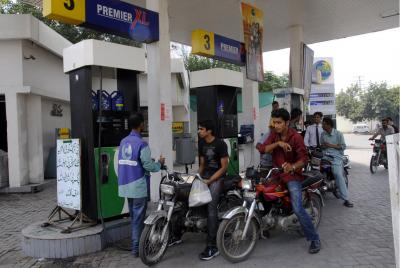
Factors like regional conflicts and the temporary closure of the Strait of Hormuz contribute partially to the rise in fuel prices in Pakistan. However, a recent report highlights that the main reasons behind this surge are structural mismanagement, delayed reforms, and political factors. The Pakistan Observer report notes that officials view the Middle East situation as a significant global crisis and have taken precautionary measures to manage volatility and protect national fuel reserves.
In response to these challenges, Pakistani ministers have announced a significant increase of Rs 55 per liter in both petrol and diesel prices. This adjustment translates to a 17% hike, raising petrol prices from Rs 266.17 to Rs 321.17 and diesel prices to Rs 335.86. The International Monetary Fund (IMF) had been urging Pakistan to adjust fuel prices even before tensions escalated in Iran.
The report underscores the importance of avoiding subsidies and meeting the annual petroleum levy target of Rs 1.468 trillion. By December 2025, Pakistan had collected over Rs 822 billion, emphasizing the necessity of maintaining high per-liter levies. Additionally, the timing of fuel procurement plays a crucial role, as a significant portion of Pakistan’s existing stock was imported at pre-war prices, leading to the application of the Rs 55 increase across all available stock.
According to the report, the government’s decision to raise petrol prices more than the actual international cost increase was driven by a desire to subsidize diesel, which is predominantly used in agriculture, freight transport, and public transport. This fuel price hike has resulted in increased production and transport costs, subsequently raising wholesale prices of essential commodities like flour, vegetables, and meat.
The government’s portrayal of the price hike as a response to external shocks masks the underlying issues of persistent revenue underperformance, dependence on petroleum levies to bridge fiscal gaps, and the failure to utilize contingency reserves designated for such circumstances. This situation has led to challenges in various sectors, with transport fares rising, retailers struggling to maintain official rates, and concerns about added pressure on manufacturing and agriculture amid rising poverty and unemployment rates in Pakistan.
