


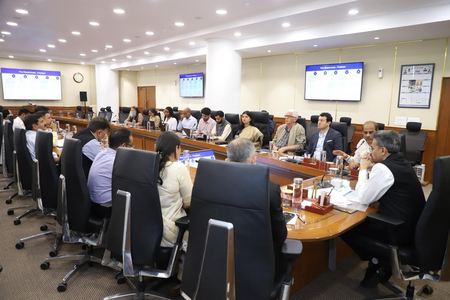
Haryana Chief Secretary Anurag Rastogi recently led a meeting to assess the state’s adherence to National Green Tribunal (NGT) directives. Emphasizing the need for consistent monitoring and coordinated efforts, he highlighted the state’s commitment to meeting NGT requirements through structured approaches. The state has operationalized composting in 53 Urban Local Bodies, utilizing the output in agriculture and horticulture.
One waste-to-energy plant is functional in Sonepat, with plans to expand processing facilities in other areas. Progress in legacy waste remediation has been significant, with most identified sites already addressed. Efforts are underway to dispose of the remaining waste scientifically within set deadlines, signaling a shift towards long-term environmental sustainability.
Haryana has achieved nearly universal door-to-door waste collection, covering 98% of wards, and has improved source segregation. The focus now is on enhancing waste processing capacity to achieve full coverage by 2026. District-level task forces under Deputy Commissioners and nodal officers at the urban local body level have been established for better coordination and monitoring.
The Chief Secretary urged departments to enhance data accuracy, reporting systems, and speed up projects for solid and liquid waste management based on NGT feedback. Ashok Kumar Meena, Commissioner and Secretary (Urban Local Bodies), highlighted Haryana’s progress in environmental management, attributing it to sustained efforts, institutional mechanisms, and technology-driven monitoring.
