


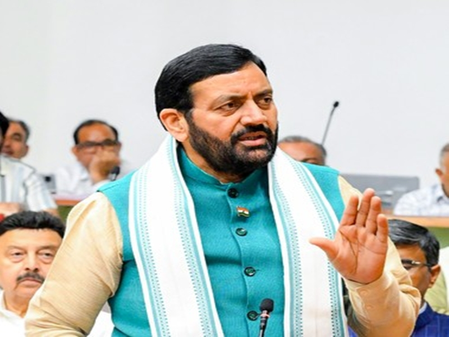
Haryana Chief Minister Nayab Singh Saini has instructed that the process for approving building plans for residential and commercial structures be conducted entirely online. This move aims to boost transparency, enhance citizen convenience, and reduce processing time. During a meeting at the Secretariat, the Chief Minister emphasized the importance of setting clear timelines and ensuring officials’ accountability to expedite approvals.
Saini also oversaw discussions on the Urban Challenge Fund and upcoming projects in the state. He highlighted the necessity of strengthening wastewater reuse systems in urban areas. The Chief Minister urged officials to maximize the use of treated water from sewage treatment plants for purposes like park irrigation, industrial use, and agriculture.
Furthermore, Saini emphasized the development of infrastructure to support water reuse, including the installation of durable pipelines from sewage treatment plants to various endpoints. He stressed the significance of utilizing treated water in parks and green spaces. Officials confirmed that all future sewage treatment plants in Haryana will include provisions for water reuse to promote conservation efforts.
In addition, the Chief Minister directed the compilation of detailed data on the existing sewerage network across the state. He called for assessments on the timeline and population basis for laying sewerage systems in different areas, especially in light of significant population growth in certain regions. Saini emphasized the importance of redesigning infrastructure to meet future demands efficiently.
Saini took a firm stance against delays in development projects, emphasizing the state’s commitment to progress in line with the vision of a “Viksit Bharat.” He insisted on the timely completion of all Urban Local Bodies projects and warned against post-tender delays. Contractors were instructed to deliver quality work within deadlines, with additional resources deployed as needed to expedite project execution.
The Chief Minister was briefed on the completion of GIS mapping for approximately 16,000 km of roads, with issue resolutions facilitated through the ‘Mhari Sadak’ app. He stressed the importance of maintaining pothole-free roads and warned of consequences for officials displaying negligence. The department identified 2,276 roads in urban local body areas for various works, including construction, reconstruction, and patchwork projects.
