


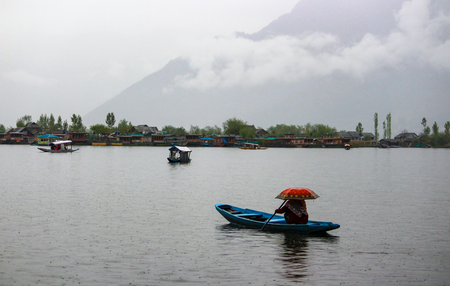
A recent report by the Comptroller and Auditor General (CAG) on Jammu and Kashmir has uncovered a concerning revelation that 518 lakes in the region have either disappeared entirely or deteriorated significantly. The audit, spanning from 1967 to 2020, highlighted that 315 lakes have vanished due to factors such as encroachment, urban sprawl, and changes in land use. This environmental crisis signals a pressing need for immediate action to avert further degradation.
The CAG report specifically pointed out seven water bodies that have completely disappeared, such as Rakh-e-Arth, Sethergund Numbal, and Marhama, emphasizing the severity of the situation. The degradation of these lakes is primarily attributed to human activities, including the conversion of wetlands into agricultural or residential areas. The report also underscored the inefficacy of conservation efforts for major water bodies like Dal and Wullar, citing untreated sewage as a significant concern.
Among the vanished lakes, 235 were under the jurisdiction of the Revenue and Agriculture Departments, while 80 were overseen by the Forest Department. Notably, only six key lakes received substantial attention, leaving the majority without adequate management strategies. To address this critical issue, the CAG report advocates for the establishment of a specialized authority to prevent further loss and facilitate the restoration of these vital water resources.
In a related development, a recent scientific study identified five high-altitude glacial lakes in the Kashmir Himalayas as highly susceptible to Glacial Lake Outburst Floods (GLOFs) triggered by extreme weather events like cloudbursts. These at-risk lakes, including Bramsar, Chirsar, Nundkol, Gangabal, and Bhagsar, were highlighted in the study conducted by scientists from the University of Kashmir. The findings underscore the urgent need for proactive measures to mitigate potential risks in the region.
