


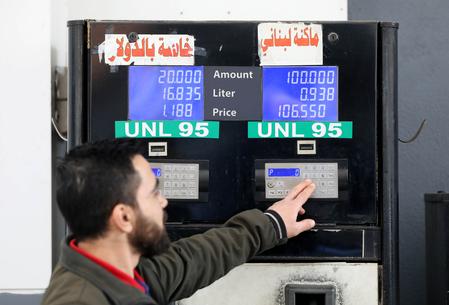
The International Monetary Fund (IMF) has highlighted the potential impact of the ongoing conflict between the US, Israel, and Iran on the global economy. The IMF stated that this war could lead to increased prices and slower growth worldwide. The Middle East conflict is not only affecting the region but is also impacting economies globally.
Large energy importers in Asia and Europe are facing the consequences of higher fuel and input costs due to the conflict. Countries heavily reliant on oil imports in Africa and Asia are struggling to access necessary supplies, even at inflated prices. The IMF emphasized that low-income countries are particularly vulnerable to food insecurity and may require additional external support.
The war’s repercussions are being felt across various regions, with energy-importing economies experiencing financial strain and limited fiscal space. In Asia, manufacturing economies are witnessing rising production costs and reduced purchasing power due to higher fuel and power bills. The conflict is also reshaping supply chains for non-energy and critical inputs, leading to increased freight costs and delivery delays.
The IMF warned that if elevated energy and food prices persist, global inflation could escalate. Financial markets have also been unsettled by the conflict, with stock prices declining and bond yields rising. The IMF stressed the importance of countries implementing appropriate policies to manage the shock and maintain resilience, especially for nations with limited reserves and fiscal flexibility.
