


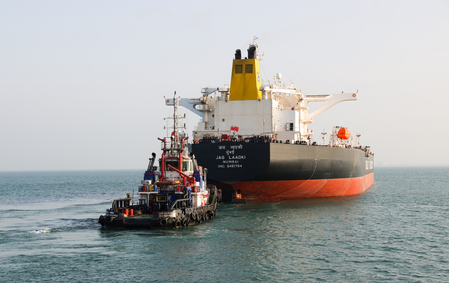
The Middle East crisis has opened doors for India, leading to enhancements in strategic petroleum reserves and diversification of imports. Notably, Argentina and the US have emerged as crucial sources for India’s LPG imports during this period. In the first quarter of 2026, Argentina significantly increased its exports to India, while the US witnessed a rapid surge in LPG exports to India in March alone.
India’s LPG imports from the US in the initial three weeks of March this year surpassed those from the Middle East, reaching 176,000 tonnes. This shift in imports was facilitated by waivers on Iranian and Russian crude and petroleum products, broadening India’s import options. Negotiations in Islamabad play a pivotal role in determining the stances of Iran and the US regarding the ceasefire and the potential reopening of the Strait of Hormuz.
The ongoing conflict involving the US, Iran, and Israel presents challenges that may not find quick resolutions. Issues such as uranium enrichment by Iran, removal of sanctions, and other complex matters outlined in Iran’s 10-point agenda remain contentious. This period of conflict underscores the evolving nature of warfare and diplomacy, urging nations like India to adapt to a perpetual state of conflict interspersed with peace.
The US-Iran conflict has been a significant juncture in modern warfare, showcasing the strengths and limitations of military and geopolitical strategies. The war has tested various tactics and ideas, including the use of drones and the credibility of extended conventional deterrence by the US. Conditions set by Iran, such as control of the Strait of Hormuz and acceptance of its enrichment, pose challenges for negotiations and agreements between the involved parties.
