


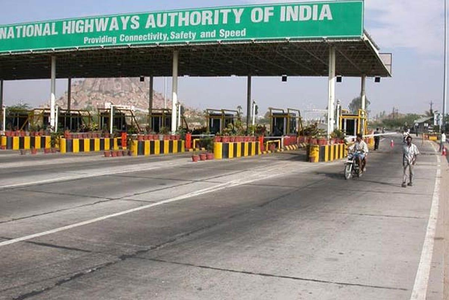
Road users in India will no longer be able to pay toll fees in cash starting April 1, as the National Highways Authority of India (NHAI) transitions to a completely digital payment system. This move by NHAI aims to enhance efficiency and transparency in toll collection on national highways and expressways. Commuters will be required to use digital payment methods like FASTag or UPI for toll charges from April 1 onwards.
The shift to a fully digital system is expected to facilitate quicker passage of vehicles through toll plazas, reducing congestion and saving travel time. By eliminating cash lanes, authorities anticipate a smoother traffic flow, especially during peak hours. Moreover, the streamlined processing at toll booths is likely to decrease fuel consumption and lower vehicle emissions, contributing to a cleaner environment.
While the transition to digital payments signifies progress, it may pose challenges for some travelers, particularly those unprepared for the change. Vehicles lacking a valid FASTag or sufficient balance might encounter penalties or even be halted at toll plazas. In such instances, commuters can opt for instant payments through UPI by scanning QR codes at toll booths.
To mitigate potential disruptions, travelers are advised to ensure their FASTag is active, linked to their bank account, and adequately funded before commencing their journey. Additionally, having a functional UPI app on their smartphone as a backup is recommended. This shift underscores India’s advancement towards digital infrastructure, enhancing highway travel in terms of speed, efficiency, and convenience.
