


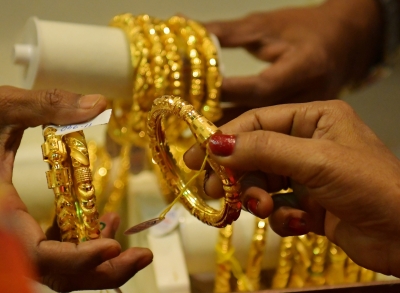
India’s household gold holdings have outstripped the combined reserves of the world’s top 10 central banks, reaching an estimated $5 trillion due to a surge in gold prices. As per Assocham’s analysis, channelizing even a small portion of this gold into financial assets annually could significantly enhance economic growth.
The report highlights the potential macroeconomic impact of redirecting 2% of household gold into financial instruments each year. If this trend continues, it is projected that around 40% of total gold holdings could transition into financial assets by 2047, potentially adding $7.5 trillion to India’s GDP through multiplier effects.
With India’s GDP forecasted to reach approximately $34 trillion by 2047, the additional contribution from gold holdings could propel the economy beyond $40 trillion. The report emphasizes the need to integrate this substantial gold reserve into the formal financial system through initiatives like gold monetization schemes and collateralized lending to stimulate sectors such as manufacturing, infrastructure, and agriculture.
The report also notes the increasing role of gold loans, with lending against gold and jewelry amounting to around $26 billion in 2025-26. Despite India officially holding 880 tonnes of gold reserves, ranking eighth globally, the privately held gold in households surpasses official reserves and exceeds that of any country.
India retains its status as the largest consumer of gold jewelry globally, with a growing demand for gold bars and coins in recent years. The rise in gold prices has bolstered household finances, driving consumption and supporting economic activities. Assocham underscores the importance of optimizing the productivity of gold holdings to unleash their full potential for long-term growth.
