


India’s automobile industry experienced a robust performance in the October–December 2025 quarter, with passenger volumes surging by 20% year-on-year. This growth was primarily attributed to GST reforms, increased rural demand, and sustained festive buying momentum. According to a report by financial services firm PL Capital, factors such as improved affordability, easier financing options, and a positive consumer sentiment contributed to significant volume growth across passenger vehicles, two-wheelers, and commercial vehicles.
Passenger vehicle sales were boosted by GST-induced price reductions and end-of-year discounts, leading to a substantial decrease in inventory days from over 55 to 45 days in November and around 38 days in December. The small car segment particularly benefited from GST cuts, while SUVs continued to dominate the market, reflecting a trend towards premiumization.
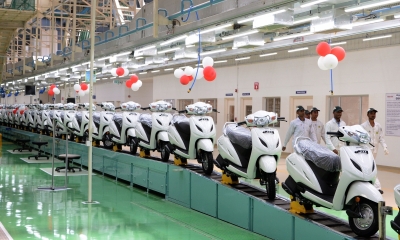
Two-wheeler sales saw a surge in the high-teen range, driven by strong demand for motorcycles in the 150cc and above categories. Some models faced extended waiting periods due to robust retail sales and dealer restocking activities. In the commercial vehicle sector, there were early indications of an upcycle in Q3FY26, supported by a revival in construction and mining activities post an extended monsoon season. Medium and heavy commercial vehicles outperformed light commercial vehicles as replacement demand increased, with customers opting for higher-tonnage vehicles.
The industry also witnessed a rebound in construction equipment sales, although growth remained modest due to a high base effect from pre-buying before emission norm changes the previous year. Tractor sales continued to rise, buoyed by state subsidies and favorable government policies supporting the sector. The report highlighted that OEMs benefited from new model launches, facelifts, and improved realizations, while exports remained steady despite a weakening rupee.
However, the report cautioned about the escalating costs of raw materials like aluminum, copper, and platinum, along with the reintroduction of steel safeguard duties from January 2026. These factors could potentially squeeze margins in the upcoming quarters.
