


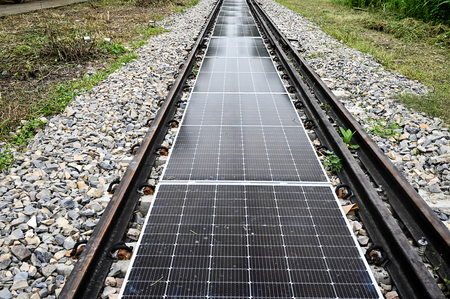
India’s energy landscape has evolved significantly, moving away from a single energy source to embrace solar parks, rooftop panels, hydrogen projects, modernized nuclear frameworks, smart meters, and digital platforms. This shift has led to improved power availability, with rural areas now receiving 22.6 hours of electricity compared to 12.5 hours in 2014, and urban areas experiencing 23.4 hours of supply, up from 22.1 hours.
The country’s electricity generation has also seen a notable increase, rising from 1,739.09 Billion Units (BU) in 2023–24 to 1,829.69 BU in 2024–25, marking a growth of 5.21 percent. Government initiatives such as the National Green Hydrogen Mission and the SHANTI Act have played a key role in shaping this energy transition, along with efforts to enhance energy efficiency and digital infrastructure.
India’s energy transformation is a gradual process focused on building a sustainable future. By scaling up renewable energy, modernizing nuclear laws, and promoting energy efficiency, the country aims to achieve its long-term goal of Net Zero emissions by 2070. The International Renewable Energy Agency ranks India fourth globally in total installed renewable energy capacity, with significant growth in solar and wind energy sectors.
