


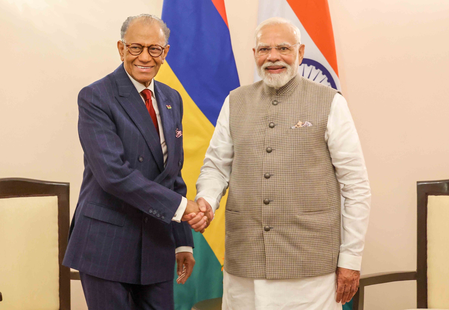
India is forging a significant relationship with Africa, focusing on mutual benefits while safeguarding sovereignty. The engagement extends to the health sector and includes contributions to UN peacekeeping efforts on the continent. The strategic approach emphasizes empowering African partners to retain control and agency in collaborations.
The partnership between India and Africa spans social, diplomatic, and economic dimensions. With over 3 million people of Indian origin residing in Africa, historical ties and shared interests contribute to a robust relationship. Trade between India and Africa ranges from 80 to 100 billion dollars annually, with substantial Indian investments in various sectors across the continent.
India’s development finance strategy in Africa differs from other global players, emphasizing concessional finance and project lending over grand packages. By extending lines of credit to fund diverse projects, India aims to build sustainable commercial ecosystems without imposing unilateral dependencies. The approach prioritizes long-term partnerships and capacity-building in African states.
India’s influence in Africa extends beyond traditional realms, with a focus on enhancing everyday systems and infrastructure. Initiatives like introducing digital payment systems and healthcare collaborations underscore India’s commitment to supporting Africa’s development. Security cooperation also plays a vital role, with India contributing to UN peacekeeping missions and engaging in maritime security partnerships with African nations.
The absence of a formal Indian security architecture in Africa highlights a unique approach that prioritizes local sovereignty and control. Through training, joint exercises, and surveillance cooperation, India strengthens maritime awareness and state capacity without infringing on national sovereignty. This strategic model emphasizes practical relevance and cooperation through commerce and security initiatives.
