


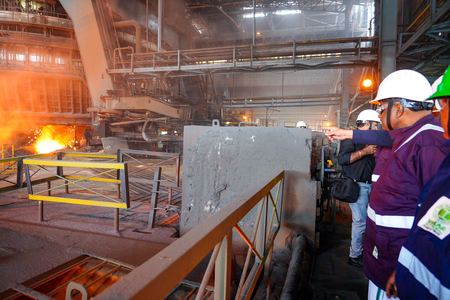
India’s steel industry recorded a significant 10.7% year-on-year growth in production, reaching approximately 168.4 million tonnes in the fiscal year 2025–26. This growth solidified India’s position as the world’s second-largest steel producer amidst global uncertainties and price pressures. The Ministry of Steel highlighted that domestic demand was a key driver, with finished steel consumption hitting 164 million tonnes, expanding by 7–8%, fueled by increased activity in infrastructure, construction, railways, and manufacturing sectors.
The government’s emphasis on large-scale infrastructure projects and urbanization significantly contributed to the surge in steel consumption during the period. Notably, India witnessed a remarkable export performance in the fiscal year 2025–26, with finished steel exports soaring by 35.9% to over 6 million tonnes during April–March. Concurrently, imports saw a sharp decline of 31.7%, enabling India to reclaim its status as a net exporter of steel and strengthen its presence in global markets like the Middle East, Europe, and Southeast Asia.
The industry also saw substantial investments directed at expanding production capacity. India’s total steel capacity reached 220 million tonnes in the fiscal year 2025–26 and is projected to hit 300 million tonnes by 2030, supported by investments from both the public and private sectors. Key players such as SAIL, Tata Steel, and JSW Steel continued to invest in capacity expansion, technology upgrades, and value-added steel production, reflecting confidence in long-term demand growth.
Despite a downward trend in steel prices over the past three years, followed by a recovery in early 2026, profitability remained under pressure due to fluctuating raw material costs, particularly coking coal, and volatile global prices. Moreover, increased logistics and freight costs impacted margins towards the end of the year due to geopolitical crises. Looking ahead, the Indian steel industry is poised to sustain its growth trajectory, with production expected to rise further and demand remaining robust. However, challenges related to energy security, input costs, and global market volatility need to be navigated.
