


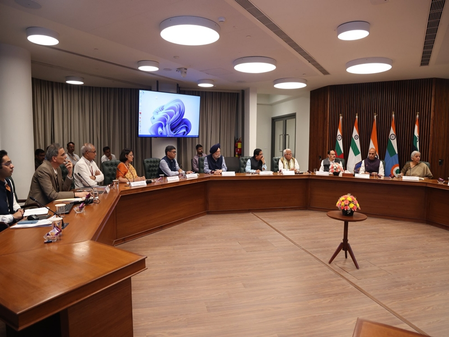
An Informal Group of Ministers (IGoM), composed of senior Union Cabinet members, held a meeting to evaluate potential risks to India’s energy security, essential commodities supply, and critical infrastructure resilience due to the escalating West Asia conflict. The government is increasingly concerned about how regional instability could impact India’s domestic supply chains and economic stability. Officials reviewed existing measures to protect national interests, focusing on ensuring continuous energy supply, maintaining essential goods reserves, and fortifying logistical frameworks against external shocks.
The ministers stressed the need for proactive planning and inter-departmental coordination to minimize disruptions that could affect citizens’ daily lives. The government reaffirmed its dedication to shielding citizens from the conflict’s adverse effects. Contingency plans are being refined to tackle possible shortages, stabilize markets, and safeguard critical infrastructure against vulnerabilities. The emphasis is on resilience and preparedness to ensure India’s supply chains remain robust even during international pressures.
Under Prime Minister Narendra Modi’s leadership, the NDA government is closely monitoring West Asia developments. Officials reiterated readiness to act swiftly and decisively if the situation escalates further. Ministries are instructed to stay vigilant and responsive, prioritizing national security and public welfare. The meeting highlighted the government’s strategy of balancing immediate crisis management with long-term resilience building.
India aims to strengthen its capacity to withstand global disruptions by reinforcing supply chains and infrastructure, not only to shield against current geopolitical turbulence but also for future challenges. The IGoM’s discussions reflect a coordinated effort to keep the nation secure, stable, and prepared amidst external challenges.
