


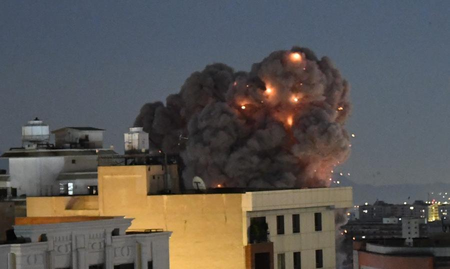
Strikes in Iran have led to significant damage to civilian infrastructure, exacerbating relief needs in the region. The UN Office for the Coordination of Humanitarian Affairs highlighted the impact of airstrikes on essential services, with over 300 health facilities and numerous ambulances damaged. Power disruptions and outages have been reported in various areas, including an affected desalination plant on Qeshm Island in Hormozgan Province.
The Iranian Red Crescent Society reported that more than 115,000 civilian buildings, including crucial facilities like health and education centers, have been affected by the strikes. Additionally, the Ministry of Education noted damage to over 700 educational facilities. Despite the challenges, humanitarian responders, including IRCS teams, are actively working in more than 1,200 affected areas to provide assistance.
UN agencies are actively supporting vulnerable populations in Iran, with the UN Refugee Agency aiding thousands of refugees from Afghanistan with various forms of support. The International Organization for Migration is also providing protection services, cash assistance, and aid to stranded migrants in the region.
In Lebanon, where humanitarian needs exceed available resources, ongoing hostilities have created a dire situation. Funding for the Lebanon Flash Appeal remains insufficient, with only about one-third of the required amount secured. The Lebanese Ministry of Public Health reported casualties due to strikes in residential areas, emphasizing the urgent need for additional funding to sustain and expand the response efforts.
