


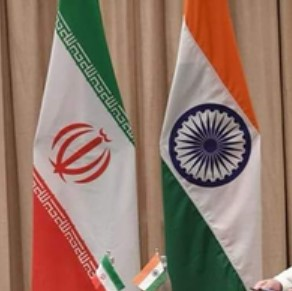
A blueprint created by Iranian opposition figures suggests reviving the Chabahar Port project with India and resuming long-term crude oil exports. This proposal is part of the Iran Prosperity Project’s Emergency Phase Booklet, detailing plans for stabilizing Iran’s economy post-regime collapse. The document highlights India as a crucial economic and strategic partner for Iran’s future foreign policy, aiming to enhance trade links and attract international investments.
The blueprint emphasizes Iran’s intention to collaborate with India on developing the Chabahar port as a key commercial hub linking the Persian Gulf, Indian Ocean, and Central Asia. Additionally, it aims to restart crude oil exports to India, a significant energy buyer before US sanctions disrupted trade relations. India is envisioned as a pivotal Asian partner in Iran’s strategy to become a regional economic and transit center connecting the Middle East with South and Central Asia.
Furthermore, the blueprint outlines plans to reevaluate relationships with major global powers like China and Russia while balancing economic partnerships with national sovereignty. It also proposes strengthening ties with neighboring countries, including Pakistan, focusing on areas such as border security and counterterrorism cooperation. Exiled Crown Prince Reza Pahlavi leads the transition plan, aiming to establish a framework for governing Iran post-regime collapse, focusing on institution restoration, economic stability, and democratic reforms.
The document envisions Iran leveraging its strategic geographic location to become a significant commercial crossroads once sanctions are lifted. Despite challenges like sanctions and geopolitical tensions, India has already invested over $120 million in the Shahid Beheshti terminal at Chabahar port to enhance trade routes with Afghanistan and Eurasia. Reviving Chabahar and renewing energy trade with India are seen as crucial steps towards reopening Iran’s economy and reintegrating into global commerce.
