


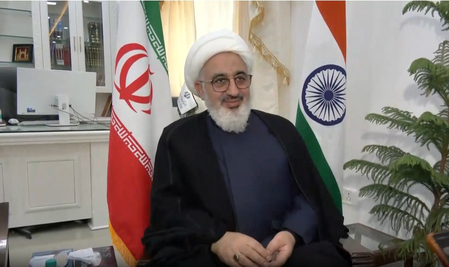
The Iranian Supreme Leader’s representative in India, Abdul Majid Hakeem Ilahi, asserted that the United States was forced to declare a ceasefire with Iran as it could not prolong the conflict. Ilahi highlighted that the US cessation of hostilities was not a voluntary choice but a result of its incapacity to continue the war. He mentioned that the US acknowledged its impending defeat and opted for a ceasefire to avoid further setbacks.
Ilahi suggested that the possibility of a lasting resolution hinged on Iran’s terms being accepted. He emphasized that if the conditions set by Iran were met, it could mark the conclusion of the ongoing conflict. The representative reiterated that Iran had no intentions of instigating war and emphasized that the situation had been imposed on the country.
Regarding Iran’s stance on nuclear weapons, Ilahi refuted any claims of Tehran possessing or aspiring to develop such arms. He cited religious principles, stating that nuclear weapons were strictly prohibited according to their beliefs. He emphasized that Iran’s actions were aimed at US military installations and not at neighboring nations, attributing the escalation of tensions in the region to external interference.
