


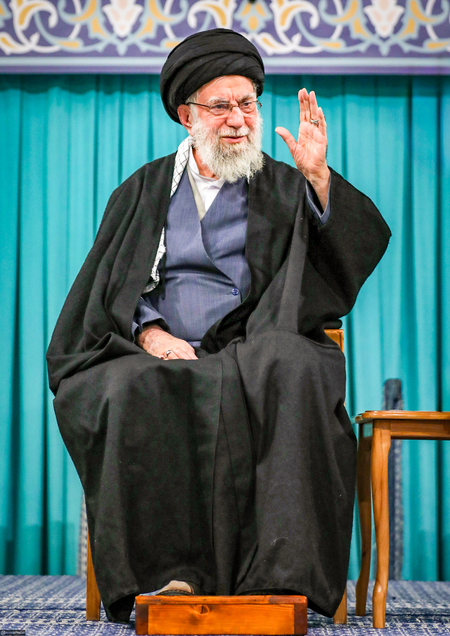
The reported killing of Iran’s Supreme Leader, Ayatollah Ali Khamenei, has plunged the Islamic Republic into a state of uncertainty. American lawmakers and Iranian officials have divergent views on the potential outcomes within Tehran’s power structure. Senate Intelligence Committee Chairman Tom Cotton, speaking to CNN, emphasized a continued military campaign targeting Iran’s missile capabilities. He highlighted a strategic focus on Iran’s missiles, launchers, and manufacturing capacity in the coming days.
In contrast, Senator Mark Warner, Vice Chairman of the Senate Intelligence Committee, expressed concerns about the limited clarity regarding developments within Iran following the Supreme Leader’s demise. Warner stressed the challenge of predicting the subsequent events after the removal of the Supreme Leader.
Democratic Senator Adam Schiff criticized the military campaign, questioning the rationale behind a large-scale operation aimed at regime change. Schiff argued that Iran did not pose an imminent threat to the United States, questioning the necessity of the military actions taken. He expressed relief at the regime’s removal but cautioned against expecting American involvement in any internal uprisings.
Iran’s Foreign Minister Abbas Araghchi rejected the US’s actions as aggression, asserting that Iran’s response was driven by self-defense. Araghchi emphasized Iran’s commitment to defending itself by any means necessary. The contrasting statements from US officials and Iranian representatives underscore the deep uncertainty surrounding Iran’s leadership transition and the differing perceptions of the recent events.
