


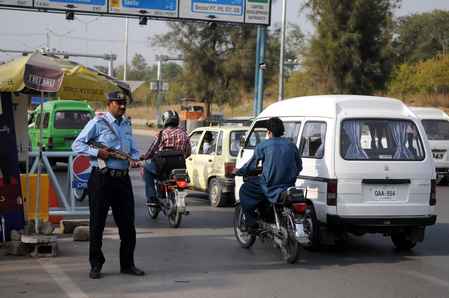
People in Karachi, Pakistan, are still paying higher fares for public transport despite a government directive to freeze prices in exchange for a fuel subsidy. Various transport operators, including bus owners, continue to charge elevated fares, contrary to the expected rollback after the subsidy announcement. The government’s initiative to shield citizens from fluctuating fuel costs has not yet translated into actual relief for commuters.
Commuters in Karachi expressed frustration over the increased fares, with one passenger highlighting the disparity between previous and current prices for short distances. Another passenger recounted being asked to pay the escalated fare or disembark when mentioning the government’s fare freeze order to a conductor. Concerns were raised about the lack of enforcement against transporters flouting official directives.
The surge in transportation costs has significantly impacted individuals like Shahbaz, a college student who now faces financial strain due to the daily commuting expenses. Parents of schoolchildren also voiced distress over the spike in van fees, with some reporting substantial monthly increases. The rising transport expenses are posing challenges for families, particularly those with multiple school-going children, as transport costs now constitute a significant portion of their monthly budget.
Residents in Peshawar and other parts of Khyber Pakhtunkhwa, Pakistan, are grappling with a shortage of natural gas, leading to the closure of CNG stations and subsequent disruptions in public transport services. The shift to petrol by transporters has further burdened residents financially, exacerbating the challenges faced by school van and bus operators. The closure of CNG stations has not only impacted transportation but also caused hardships for domestic and commercial gas consumers.
