


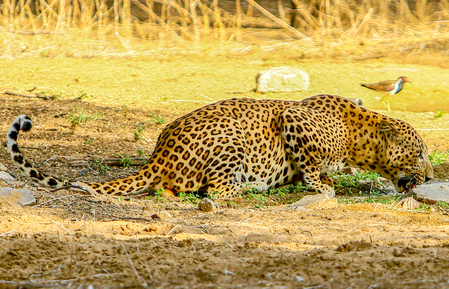
A leopard caused chaos at the Kapran CRPF camp in Jammu and Kashmir’s Anantnag district by attacking a head constable, Kamleshwar Kumar. Kumar received first aid at a local health center and is now in stable condition back at the camp. Wildlife officials are working to safely relocate the leopard from the camp.
In a separate incident, a leopard attacked a flock of sheep in Sopore, North Kashmir, resulting in seven deaths and multiple injuries. Villagers have requested Wildlife Department assistance to capture the leopard before more harm is done. A team is actively searching for the wild animal.
Human-wildlife conflicts have been on the rise in the Kashmir Valley over the past decade. Encounters involving wild animals like bears and leopards entering villages, harming livestock, attacking villagers, or causing injuries have become more frequent. Such conflicts negatively impact both humans and wildlife, affecting food security and overall well-being.
The increase in human-wildlife conflicts is attributed to factors like population growth and changes in land use. These conflicts pose significant challenges to sustainable development, food security, and conservation efforts in both urban and rural areas. Collaboration among various sectors such as forestry, wildlife, agriculture, and livestock is crucial at the national level to address these challenges effectively.
