


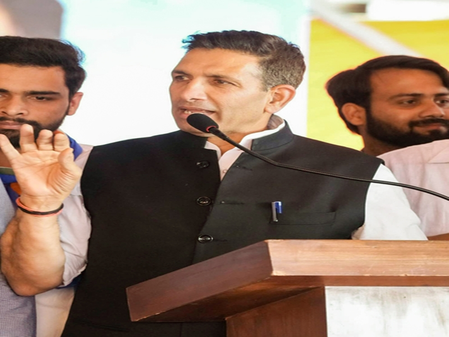
The Madhya Pradesh Congress has strongly criticized the ruling BJP government for its plan to increase electricity tariffs, urging an immediate rollback and relief for consumers. Congress leader Jitu Patwari condemned the proposed 4.80% hike from April 1, labeling it a direct blow to the public’s finances. He highlighted the significant rise of 22–24% in tariffs over the last decade, particularly affecting domestic consumers in the 0–50 unit category.
Patwari raised concerns about the Fuel and Power Purchase Adjustment Surcharge (FPPAS), denouncing it as an additional burden on consumers. He questioned the government’s rationale of attributing losses in electricity distribution to justify the hike, alleging a lack of accountability and the transfer of mismanagement issues to the public. The Congress leader criticized the government’s 20% concession on daytime EV charging as a mere facade, benefiting only a fraction of consumers while the majority face hardships.
Expressing solidarity with farmers already grappling with debt and crop failures, Patwari warned that the tariff increase would exacerbate their plight. The hike, set to take effect on April 1, has drawn strong opposition from senior Congress figures like Kunal Chaudhary and Jitu Patwari. Chaudhary, in a letter to Chief Minister Mohan Yadav, urged an extension of the agricultural loan repayment deadline, citing incomplete wheat harvesting and unsold produce by farmers.
Both leaders demanded relief measures, including the waiver of high interest charges and criticized coercive electricity bill recovery methods as unjust and undemocratic. They cautioned that the tariff hike would escalate inflation, impact small industries, and directly burden farmers, despite the government’s proclaimed support for the agricultural sector. Patwari called for a withdrawal of the hike, transparent scrutiny of surcharges, an independent investigation into utility losses, and a relief package for low and middle-income groups.
The Congress has hinted at potential statewide protests if the government fails to reverse its decision, signaling a possible escalation of opposition activities from public demonstrations to legislative action.
