


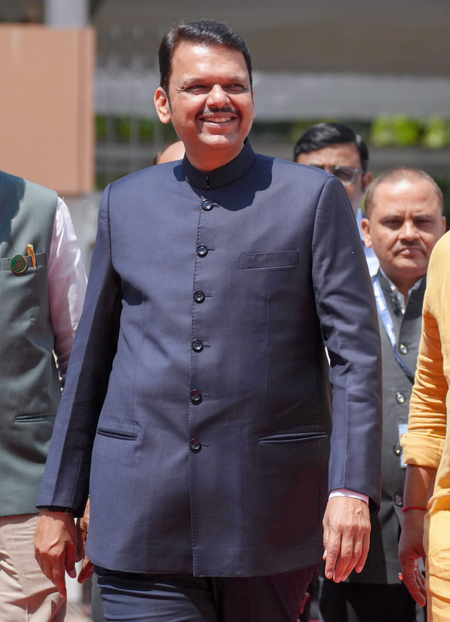
Maharashtra Chief Minister Devendra Fadnavis, responsible for planning and finance, is set to unveil the state’s annual budget for 2026-27. The budget aims to balance the state’s massive debt of Rs 9.32 lakh crore with the target of achieving a one trillion dollar economy by 2030 and a five trillion dollar economy by 2047 under the Viskit Maharashtra mission. The budget is expected to focus on maintaining investor confidence while addressing the social impact of a rural economy grappling with climate-related challenges and stagnant MSP demands.
The state, a key driver of India’s growth with a projected growth rate of 7.9% in 2025-26, faces financial strain due to mounting liabilities and a push for extensive infrastructure development. To manage this, the government aims to restrict the fiscal deficit below 3% of GSDP and the revenue deficit below 1%, in line with the Fiscal Responsibility and Budget Management (FRBM) Act. The budget is likely to emphasize fiscal prudence, welfare scheme allocations, and increased capital expenditure for asset creation.
The budget is expected to allocate a significant portion, around Rs 60,000 crore, to three major flagship schemes deemed essential despite fiscal pressures. These schemes include Ladki Bahin Yojana, Namo Shetkari Yojana, and Free Electricity for Farmers. To balance populist spending, the state plans to rely on substantial capital expenditure supported by Central tax devolution and special provisions for projects like high-speed corridors and metro expansions.
In a bid to maintain fiscal discipline, the Chief Minister may prioritize structural efficiency over tax hikes. Initiatives such as streamlining beneficiary lists and exploring asset recycling options like leasing underutilized government land or selling development rights are being considered. With a significant tax devolution expected, Maharashtra is poised to receive a substantial amount from the Union Government, which could help shield welfare schemes from budget cuts and reduce the revenue deficit.
By focusing on back-end reforms and strategic financial management, CM Fadnavis aims to strike a balance between fulfilling welfare promises and managing the state’s debt burden effectively. The budget is seen as an opportunity for the Chief Minister to demonstrate transformative leadership by ensuring support for farmers while upholding the state’s financial credibility.
