


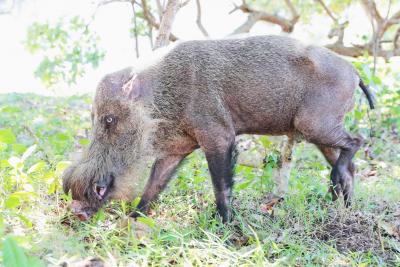
The Nepali government has redeclared wild boars, excluding small species on private farmlands, as agriculture-damaging animals. Farmers are now permitted to deter, capture, or eliminate them without prior authorization. This declaration, valid for a year, follows a similar action taken against rhesus monkeys due to significant crop losses caused by wildlife.
By issuing a notice in the Nepal Gazette, the Ministry of Forests and Environment formalized the wild boars’ status as harmful to agriculture. The decision empowers landowners to take action against wild boars entering specific areas and causing damage, under specified conditions. This provision is applicable outside designated wildlife areas like national parks and reserves.
The government’s move addresses the escalating issue of wildlife, particularly wild boars and monkeys, causing substantial agricultural losses. The encroachment of forest habitats due to abandoned farmlands has exacerbated human-wildlife conflicts. This situation has led to deserted fields, reduced production, and a migration of younger generations from villages where farming is no longer sustainable.
According to the notice, farmers can individually or collectively deter, expel, or capture wild boars damaging crops or livestock. In case of capture, the animal must be surrendered to the relevant wildlife authorities, with the incident reported to the local ward office. If a wild boar is killed during these encounters, specific protocols for burial and reporting to the authorities must be followed.
