


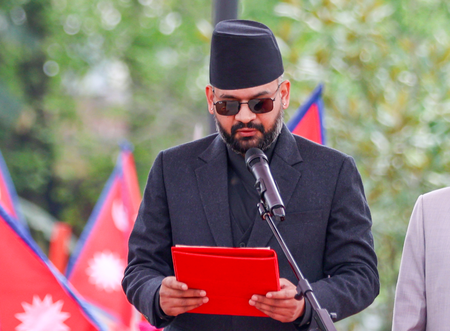
The new government of Nepal has announced the formation of a committee to investigate the assets of political leaders and high-ranking officials who have served in public office from 1990 to 2026. Prime Minister Balendra Shah’s administration revealed a 100-point governance reform agenda, including the establishment of a powerful asset investigation committee within 15 days. This move follows increasing allegations of corruption against politicians who have governed Nepal over the past three decades.
The decision to scrutinize the assets of political figures comes amidst calls for accountability and transparency in governance. Last year’s Gen Z movement, which led to the removal of former Prime Minister KP Sharma Oli’s government, highlighted concerns about corruption among leaders. The new government, during its first Cabinet meeting, approved the comprehensive governance reform agenda aimed at combating widespread corruption and promoting accountability.
The asset investigation committee, to be housed under the Office of the Prime Minister, will initially focus on collecting, verifying, and investigating the asset details of key political office bearers and senior bureaucratic officials who held positions between 2006 and 2026. Subsequently, the government plans to extend the probe to cover major political office holders and officials who served from 1990 to 2005. Additionally, Nepal Rastra Bank will establish a digital asset registry within 100 days to enhance anti-corruption efforts by monitoring bank accounts, digital wallets, share investments, and other financial activities.
To strengthen anti-corruption measures, a risk-based indicator system will be implemented to automatically detect suspicious transactions and refer them to the relevant authorities for further investigation.
