


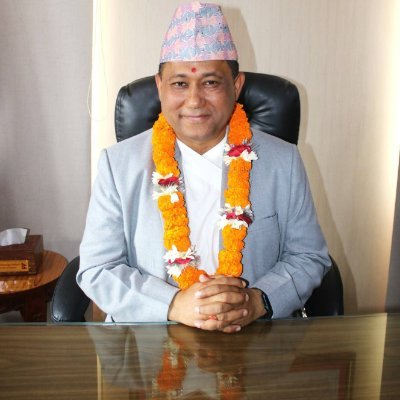
Nepal’s Foreign Minister, Shisir Khanal, mentioned that Prime Minister Balendra Shah might take some time before visiting India, despite receiving an invitation from Indian Prime Minister Narendra Modi. Traditionally, Nepali Prime Ministers make India their first foreign visit, but this practice has seen exceptions during strained periods between the two countries. Minister Khanal confirmed that the invitation for Prime Minister Shah’s visit to New Delhi was accepted by the Nepali premier after his return from the Ninth Indian Ocean Conference in Mauritius.
There are approximately 40 bilateral mechanisms between Nepal and India that cover various aspects of their relations, from security to agriculture. These mechanisms operate at different levels, including district and ministerial levels. The two countries’ officials engage in regular meetings under some mechanisms, while others have not convened recently. India stands as one of Nepal’s major development partners, with significant contributions in various sectors.
In the fiscal year 2024–25, India emerged as the largest bilateral donor to Nepal, providing $107.8 million in assistance. Numerous development projects supported by Indian aid have been completed, with ongoing projects in progress. During the Indian Ocean Conference, Minister Khanal highlighted the critical issue of climate change affecting the Himalayan region and the oceans.
Minister Khanal emphasized the interconnectedness of the health of the mountains and oceans, noting the Himalayas’ role as a vital freshwater source for billions. He stressed the global responsibility to maintain stability in the Indian Ocean due to its significance in trade and energy flows. Nepal expressed concerns over threats like maritime terrorism, piracy, and illicit trafficking, affecting lives, including Nepali citizens seeking livelihoods across these waters.
