


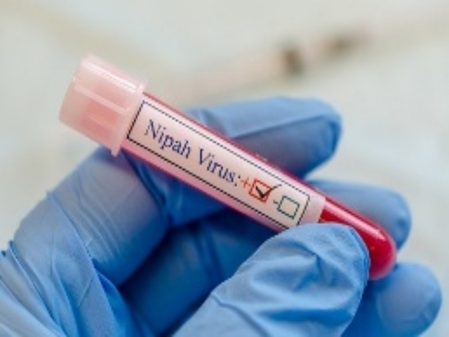
The discovery of two suspected Nipah virus cases in West Bengal has raised concerns among health officials, leading to the deployment of a National Joint Outbreak Response Team by the Centre for containment efforts. Nipah virus, a rare and potentially fatal infection, is known to be zoonotic, meaning it can transfer from animals to humans. Fruit bats are the natural carriers of the virus, and transmission can occur through contaminated food or close contact with infected individuals.
Experts emphasize the importance of early awareness and action to prevent the spread of Nipah virus. While the virus does not spread as rapidly as airborne infections like Covid-19, it is highly contagious in situations involving intimate and prolonged contact. Medical personnel and caregivers are particularly vulnerable, highlighting the need for stringent infection control measures to prevent secondary transmission.
Early diagnosis is crucial in managing Nipah outbreaks and improving patient outcomes. Symptoms of Nipah virus can initially resemble a common viral fever, but the presence of neurological signs or breathing difficulties should raise concerns. Timely lab confirmation enables swift isolation of patients and contact protection. Special handling and coordination are required for Nipah testing, with RT-PCR testing and close collaboration with reference labs being essential for prompt case confirmation.
In severe cases, Nipah virus can impact multiple organs, including the lungs and brain. Kidney involvement in advanced cases can worsen prognosis, necessitating intensive monitoring and supportive care for patients. Currently, there is no approved vaccine or antiviral treatment for Nipah virus, with treatment primarily focusing on symptom management and complication prevention.
The history of sudden outbreaks and high mortality rates associated with the Nipah virus underscores the importance of vigilance, early diagnosis, strict isolation, and public awareness in containing potential health crises.
