


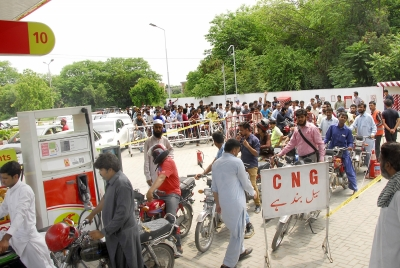
A recent spike in oil prices, attributed to rising tensions in West Asia, is causing worry in import-dependent Pakistan. The Business Recorder highlights the escalating concerns over the safety of the crucial shipping route, the Strait of Hormuz, which handles a significant portion of global oil trade. Pakistan, heavily reliant on imported energy, faces vulnerability as over 80-85% of its oil imports come from Gulf countries like Saudi Arabia, the UAE, and Kuwait, passing through the Strait of Hormuz.
The report underscores that petroleum products make up almost 30% of Pakistan’s total imports. It warns that a $10 increase per barrel in global oil prices could inflate Pakistan’s annual import expenditure by $1.8-2 billion. Additionally, a prolonged disruption, such as a three-month closure of the Strait of Hormuz, might escalate monthly import costs to $3.5-4.5 billion and elevate inflation to 15-17%.
Pakistan’s energy reserves are limited, with strategic reserves covering only 10-14 days of consumption. In contrast, India boasts stronger reserves and foreign exchange buffers, offering more resilience to external shocks, as per the report. The report further cautions that a significant oil price shock could disrupt Pakistan’s economic progress, widen the current account deficit, and accelerate inflation, especially as the country stabilizes its economy under an IMF program.
The surge in crude oil prices amid geopolitical tensions is evident, with Brent crude climbing nearly 40% from $77.74 on March 2 to $108.65 on March 19, as the West Asia conflict extended to its 21st day. Similarly, US WTI crude futures saw a gain of 31.91%.
