


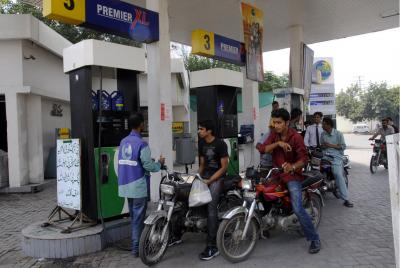
Pakistan has defied the International Monetary Fund’s (IMF) directive by reducing the subsidy on petrol, in addition to being asked to remove the subsidy on diesel for violating loan conditions. The move, including slashing the petrol levy, has raised concerns about existing distortions in pricing, especially in diesel, introduced earlier. The IMF is pressing for the removal of these distortions, emphasizing the need for fiscal discipline.
Initially, the government aimed to offset revenue loss from the zero petroleum levy on diesel by increasing levy rates on petrol. However, the recent decision to slash the petrol levy by Rs 80 per litre has significantly impacted this strategy. This populist move to provide relief to all income groups has strained the government’s ability to balance public relief with fiscal discipline.
The IMF’s insistence on removing distortions in fuel pricing is crucial for Pakistan to meet key program benchmarks like the primary surplus. The country’s financial challenges, worsened by delayed tax reforms and excessive public spending, have limited its fiscal flexibility. The recent surge in oil prices has exposed these vulnerabilities, highlighting the need for economic reforms.
