


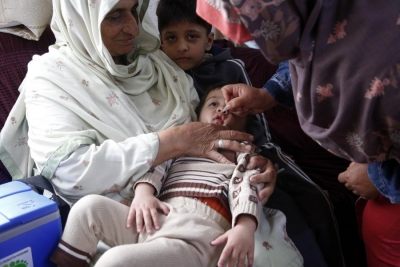
The disruption in affordable pharmaceutical imports from India, especially vaccines, has significantly increased Pakistan’s financial burden. Reports indicate that by 2031, Pakistan could be looking at an annual import bill of $1.2 billion. Last year’s military clashes highlighted Islamabad’s heavy reliance on foreign manufacturing and donor support for routine immunization, as the country offers 13 vaccines for free but lacks domestic vaccine production.
Pakistan’s Health Minister Mustafa Kamal expressed concerns over the impact of the halt in Indian vaccine shipments on the economy. He warned that the situation could worsen when international support for vaccine procurement ends in 2031. Kamal emphasized the need for local vaccine production to avoid the projected import bill of $1.2 billion annually by 2031.
Minister Kamal revealed that Pakistan traditionally sourced affordable vaccines from India through the Global Alliance for Vaccines and Immunization (GAVI). Currently, Pakistan imports vaccines at an annual cost of around $400 million, with nearly half of this amount covered by international organizations working through GAVI. The government is now taking steps towards establishing domestic vaccine production to reduce dependency on external support.
The surging population in Pakistan, with approximately 6.2 births annually, has led to a sharp increase in the demand for vaccines. The absence of local vaccine production poses a significant vulnerability for the country. India ceased vaccine supplies following Operation Sindoor on May 7, 2025, which targeted terror infrastructure in Pakistan and Pakistan-occupied Kashmir in response to the Pahalgam attack that claimed 26 civilian lives.
