


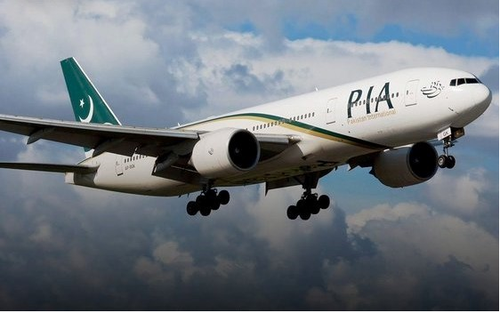
The privatization of Pakistan International Airlines (PIA) was presented as a significant reform to address years of financial losses. However, the deal has been criticized for its lack of transparency, with reports suggesting it has become a case of institutionalized corruption. The Pakistan government has shifted approximately Rs 650 billion of PIA’s historical debts to a holding company, shielding the buyer from substantial past losses.
A private consortium, led by Arif Habib Corporation, acquired a restructured PIA for about Rs 135 billion, with only Rs 10 billion in actual cash inflow to the state. The remaining amount was infused as equity into the airline itself. This move has left the public with a negative net position, as the one-time cash benefit of Rs 10 billion pales in comparison to the retained debt.
Critics argue that the transfer of PIA’s assets, including its fleet, international routes, and landing rights, has been undervalued, especially when considering factors like brand value and regulatory advantages. The transaction has been likened to a wealth transfer disguised as reform, as the state shoulders the liabilities, injects equity, and then hands over strategic assets to private entities at favorable terms.
The current form of PIA’s privatization has been described as a redistribution of burdens and benefits, rather than a comprehensive solution. Despite the public’s continued support in servicing the Rs 650 billion debt burden, the return is limited to minimal cash, a minority equity share, and the expectation that private management will bring about operational improvements in a largely unreformed governance environment.
