


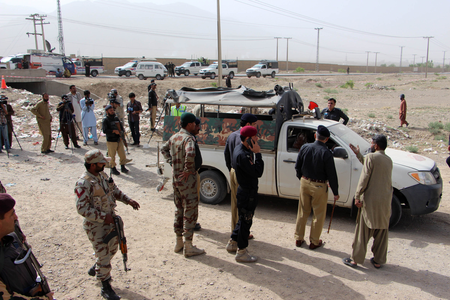
Pakistan is facing calls to address the consequences of harboring terrorism on its soil, as highlighted in a recent report. The country has long been a haven for armed militant groups, with around 15 such organizations identified by the US Congressional Research Service. These groups, including Al-Qaeda and Islamic State affiliates, have been operating from Pakistan, targeting various regions and causing widespread violence.
The report underscores the paradox that Pakistan, while being a victim of terrorism, has also facilitated the survival of these militant groups. Islamabad’s historical tolerance towards certain groups, aimed at serving its strategic interests, has backfired, leading to a complex ecosystem of militant infrastructure. This approach has not only impacted regional security but has also resulted in significant domestic casualties among Pakistani security forces and civilians.
The critical question raised is whether Pakistan is actively dismantling the infrastructure that sustains these terrorist organizations. While the country has undoubtedly suffered from terrorism, the report emphasizes the need for comprehensive efforts to root out the networks, financing channels, and ideological support that continue to fuel extremist activities within and beyond its borders.
