


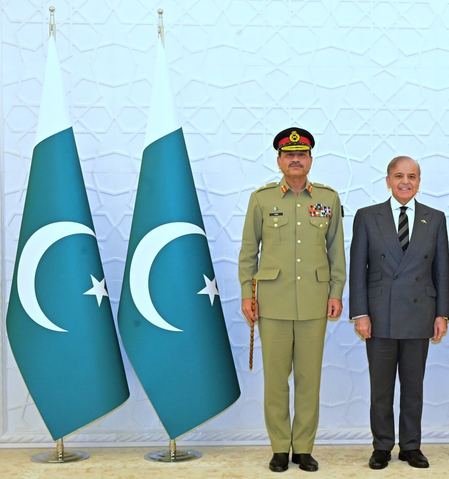
Pakistan’s move to join the International Stabilization Force (ISF) for Gaza has led to a diplomatic crisis and raised suspicions from radical Islamist groups, including Hamas. Despite Pakistan’s claim that its involvement in ISF demonstrates support for Palestinian welfare, the decision has faced opposition domestically and triggered doubts about Islamabad’s credibility in advocating for Islamic causes.
The ISF plays a crucial role in US President Donald Trump’s 20-point peace plan for Gaza, which facilitated a ceasefire between Israel and Hamas last October. Following the adoption of Resolution 2803 by the United Nations Security Council (UNSC) in November, authorizing ISF to aid in transitional governance, security provision, and demilitarization monitoring, Pakistan supported the resolution. US Secretary of State Marco Rubio has acknowledged Pakistan’s willingness to participate in ISF, with reports suggesting a deployment of approximately 3,500 soldiers.
Despite the UNSC’s approval of the resolution, several operational details, such as legal authority, chain of command, funding, duration, and ISF’s role in disarming Hamas, remain undisclosed. Pakistan’s UN representative Asim Iftikhar Ahmed noted that the resolution lacked essential recommendations, including a clear path to Palestinian statehood and mandate clarification. While the US plan involves disarming Palestinian factions, Pakistan has stated its non-involvement in missions targeting Hamas disarmament.
Hamas has responded skeptically to the resolution, rejecting it outright and viewing any international force responsible for disarmament as a conflict participant rather than a neutral stabilizer. Despite Pakistan’s assurances, Hamas remains doubtful about Islamabad’s role. Reports suggest that Hamas initially opposed disarmament concepts and expressed concerns about foreign deployment undermining sovereignty. However, there are indications that Hamas may gradually accept Pakistan’s explanation that the Board of Peace (BOP) operates alongside UNSC frameworks, although Hamas remains vigilant.
Pakistan has encountered challenges following its participation in the Board of Peace and ISF, with critics highlighting the country’s history of yielding to international pressure during economic crises. Given Pakistan’s reliance on international financial aid, including loans from the International Monetary Fund (IMF) and support from Gulf nations, there is a concern that Islamabad could be compelled to adhere to ISF mandates, including Hamas disarmament, as per the Directus report.
Israeli officials have opposed Pakistan’s engagement in Gaza, citing worries about intelligence sharing and the absence of diplomatic relations. Reports have raised questions about Pakistan’s neutrality as a peacekeeper due to its connections with Palestinian militant groups. Pakistan’s decision to join ISF has drawn criticism from Islamist and opposition parties within the country.
