


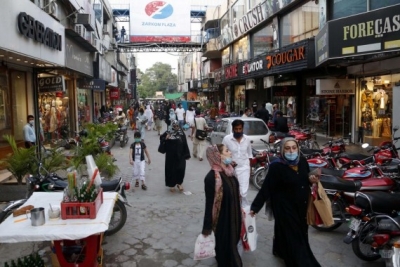
Pakistan’s economy is at higher risk due to the ongoing Middle East crisis, affecting the general public more than nations without strict IMF conditions. Over the past three decades, Pakistan, governed by military and civilian administrations from major national parties, has accumulated IMF loans. The current government received the IMF’s extended fund facility in April 2022 and obtained two additional loans, leading to economic challenges due to prioritizing politics over economics.
Around 20% of the total budgeted current expenditure in Pakistan needs immediate review, particularly government employee-related expenses and subsidies, which contribute to public discontent. The poverty rate has surged to 42.4%, with 1.9 million people falling into poverty in 2025, highlighting the pressing economic issues. Subsidies, especially for electricity, have been increasing annually, along with significant expenses on debt servicing, creating a narrow fiscal space of concern for the IMF.
To address the economic challenges, it is suggested to reduce domestic and external debt by cutting current expenditure items, improving the power sector’s performance, and lowering costs. Amid the Middle East crisis, the IMF emphasizes the need for careful economic monitoring to mitigate inflation and stabilize expectations. However, the government’s current approach mirrors past policies, focusing on development outlay cuts, increased petrol subsidies, and inflationary budget deficit-raising measures, rather than reducing their own expenditure.
