


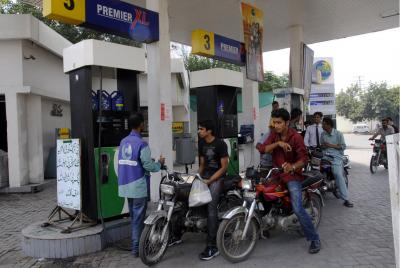
As tensions escalate due to Israel’s recent attack on Lebanon’s Hezbollah, Pakistan’s fragile economy is under increased strain from soaring fuel prices, impacting the cost of essential goods and burdening households. The rise in fuel prices, influenced by global crude oil trends and fiscal pressures, has hit Pakistan harder due to structural weaknesses and inadequate regulatory oversight. This surge in fuel costs has a domino effect, escalating transportation expenses, and subsequently raising prices of food and other necessities as supply chains become pricier.
Loosely regulated markets in Pakistan exacerbate the situation, with intermediaries passing on inflated costs to consumers, leading to price hikes surpassing the actual fuel price increments. Moreover, the concept of ‘psychological inflation’ plays a role, as businesses anticipate higher costs and preemptively raise prices, compounding the financial burden on consumers. For households, especially those with limited incomes, the cumulative impact of rising fuel expenses results in reduced purchasing power, higher daily costs, and increased uncertainty regarding future expenditures.
Pakistan’s fiscal limitations, coupled with obligations tied to International Monetary Fund (IMF) programs, restrict the government’s capacity to offset price shocks through subsidies, necessitating these adjustments. However, concerns persist regarding policy consistency, as sudden price fluctuations and occasional reversals contribute to market instability. The report suggests that transparent communication and predictable pricing mechanisms could help mitigate the broader economic repercussions, but until then, the economy is likely to grapple with ongoing fuel price shocks, intensifying inflationary pressures and straining households.
