


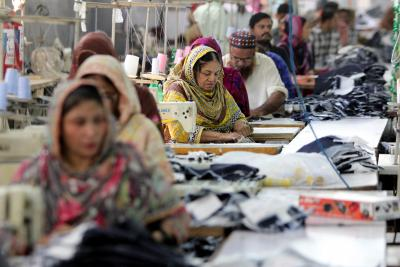
A recent report highlighted a significant 20.4% decline in Pakistan’s exports in December, marking the fifth consecutive month of reduced overseas shipments. This decline is seen as more than just a temporary setback, pointing to underlying structural issues affecting the country’s export performance. The situation is exacerbated by a surge in imports, with the trade deficit rising by 25% to $3.7 billion due to a boost in imports exceeding $6 billion last month.
The report underscores the challenges faced by Pakistan’s external sector, with the trade deficit reaching $19.2 billion in the July-December period, a 35% increase from the previous year. While the State Bank is utilizing remittances and dollar purchases to finance the trade gap and bolster reserves, this strategy may not be sustainable in the long run. Continued reliance on such measures could expose the external account to risks from geopolitical uncertainties and changes in host-country labor markets.
The persistent decline in exports not only threatens external sector stability but also poses a dilemma for policymakers, who may need to curb growth to avert a balance-of-payments crisis. The report warns of a disconnect between stabilization efforts and long-term sustainability, emphasizing the need for a comprehensive strategy to address the widening trade gap and ensure economic resilience.
