


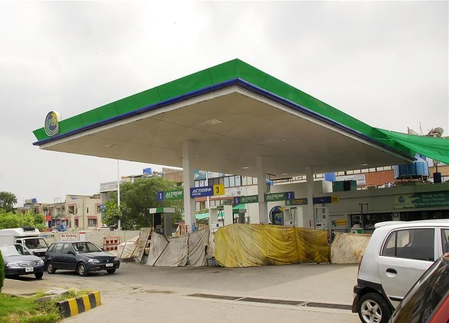
Pakistan’s Human Rights Council (HRC) strongly criticized the government’s recent significant increase in petrol and diesel prices. The HRC expressed concerns that this move would add to the financial burden on citizens already facing high inflation and economic challenges. The decision to raise fuel prices to record levels has raised worries about further reducing the purchasing power of ordinary people.
The Pakistan government’s announcement of a sharp spike in fuel prices, with petrol surging by 43% and high-speed diesel (HSD) by 55%, has sparked public outcry. Petrol prices have soared by PKR 137.23 per litre, reaching PKR 458.41, while HSD prices have shot up by PKR 184.49 per litre, hitting PKR 520.35. Kerosene prices have also seen an increase to PKR 457.80, as reported by Pakistan’s leading daily Dawn.
The HRC of Pakistan criticized the government’s decision, stating that justifying such a drastic price hike based on regional or global tensions is insufficient. The council emphasized that with no complete disruption in global oil supplies and access to alternative energy sources, such a sharp rise in petroleum prices seems unjustified. The HRC highlighted that this increase not only exacerbates inflation but also directly impacts the daily lives of citizens, affecting sectors like transport, essential goods, and services.
The HRC urged the government to reconsider the price hike, provide relief to the public, and ensure transparency and accountability in setting fuel prices. It warned that failure to address public concerns could lead to socio-economic instability, holding policymakers responsible for the consequences.
