


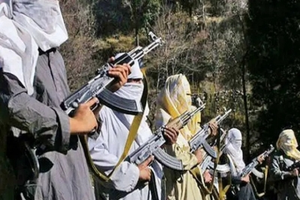
Pakistan’s military establishment is reportedly providing operational space to radical Islamist groups like Hamas and the Muslim Brotherhood, facilitating support for local terror outfits such as Lashkar-e-Taiba (LeT) and Jaish-e-Mohammad (JeM). This support extends to seeking backing from Islamic nations concerning Gaza and Kashmir, raising concerns about potential risks of miscalculation and ideological spillover in South Asia and the Middle East.
According to a report by the Afghan Diaspora Network, the convergence of these activities heightens the dangers of proxy conflicts and ideological entanglements in the already volatile regions. The international community is urged to address Pakistan’s alignment with the Middle East as a pressing risk management issue to prevent further escalation.
The report points out Pakistan’s historical backing of UN-designated terrorist organizations like LeT and JeM in anti-India activities. Despite international pressure leading to bans on these groups, they are said to maintain active operational spaces through affiliates and front structures. This dual approach of boosting security in the Middle East while openly supporting Islamist terrorist groups is portrayed as not just a regional but a global concern.
Pakistan’s mainstream political and religious platforms are highlighted for their increasing support of Hamas representatives for propaganda purposes. Hosting Hamas figures and engaging with them publicly in political events in Pakistan and Pakistan-occupied Jammu and Kashmir (PoJK) is seen as a strategic move to mobilize terror organizations against Western countries, Israel, and India. This support for Hamas, designated a terrorist organization by the US and the EU, raises alarms about Pakistan’s stance on terrorism and its potential global implications.
The report underscores the worrisome connections between Pakistan-based terror groups like LeT and JeM and the presence of representatives from Hamas and the Muslim Brotherhood in Pakistan. This suggests a systematic and operational backing for these banned Islamist outfits, further complicating the terror dynamics in the region.
