


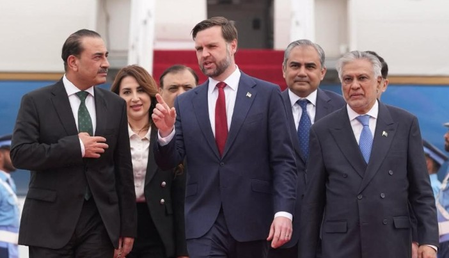
What may seem ironic is Pakistan, often linked to terrorism, positioning itself for peace talks. The US, a victim of severe terror attacks, now relies on Pakistan for peace efforts. Despite its history, Pakistan is trying to portray itself as a mediator for dialogue and stability, lacking trust-building consistency and credibility.
Pakistan, formed in 1947 on religious lines, has a history of hostility towards India, marked by wars and ongoing tensions. Recent terror attacks in Pahalgam in 2025 further highlight the region’s security challenges. Pakistan’s alleged links with extremist groups have tainted its global reputation, with accusations of supporting terrorism beyond South Asia.
The aftermath of 9/11 revealed troubling connections to Pakistan, with key figures like Khalid Sheikh Mohammed captured there. Despite past criticism, recent US administrations have shifted towards viewing Pakistan as a partner for peace. This change in stance, from accusing Pakistan of deceit to praising its role in easing regional tensions, raises questions about political consistency.
The US’s evolving relationship with Pakistan, from condemnation to partnership, underscores a complex diplomatic shift. By overlooking Pakistan’s past actions and legitimizing its role in peace talks, the US risks empowering a state with a history of supporting terrorism. This move challenges the notion of holding nations accountable for their actions and could have broader implications for global security.
