


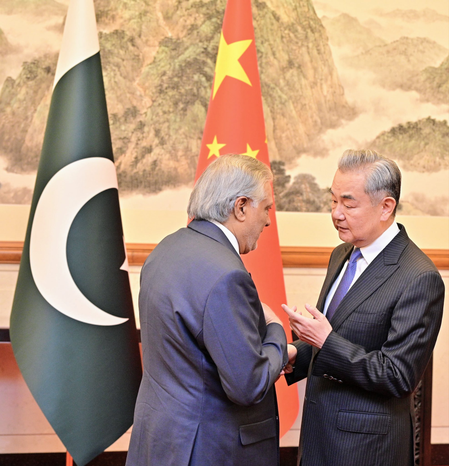
Pakistan’s efforts to balance relationships with powerful allies amid their rivalries have harmed its global standing, risking internal divisions, a report highlighted. The country faces escalating strategic challenges, especially concerning its involvement in the Iran-Arab conflict, according to Senge Sering, a writer for ‘Global Strat View’. China, Pakistan’s key partner, opposes regime change in Iran, potentially straining Pakistan’s stance in the region.
Saudi Arabia, Pakistan’s second crucial ally, views Iran as a threat and urges Pakistan’s support against it. The bilateral defence agreement between Saudi Arabia and Pakistan was activated after Iranian attacks, with some seeing it as a shield against shared dangers. Despite Pakistan’s pledge to protect Saudi security, it refrains from direct military action against Iran due to various pressures.
The complex dynamics between Pakistan, China, and Saudi Arabia put Pakistan in a challenging position, balancing economic and geopolitical interests. The country’s role as a mediator is seen by some as a tactic to manage Iran’s actions while aligning with Saudi goals. Domestically, residents of Pakistan-occupied Gilgit-Baltistan oppose Pakistan’s entanglement in the Iran conflict, citing rising tensions and human rights abuses.
Sering emphasized the strategic importance of Gilgit-Baltistan, noting its Shia majority, border with China, and demands for independence from Pakistan. The region’s status as part of India, as per a UN resolution, adds complexity to the geopolitical landscape. Concerns were raised over the increased cases of violence against Gilgit-Baltistan residents by Pakistani authorities, particularly targeting those supporting Iran.
