


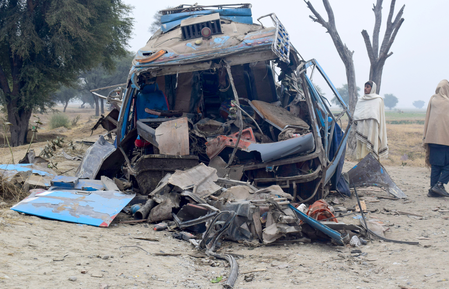
Terrorist activities persist in Pakistan, with a reactive rather than proactive approach by authorities, failing to address the root causes. Military actions alone have not curbed terrorism, as highlighted by a report from Greece-based Directus. Pakistan, ranking high on the Global Terrorism Index, saw a significant increase in terrorism-related deaths, emphasizing the need for comprehensive strategies beyond kinetic gains.
The return of the Taliban in Afghanistan has emboldened groups like Tehreek-e-Taliban (TTP), leading to a surge in violent extremism in the region. Pakistan’s response with ‘Operation Ghazab lil-Haq’ against Afghan forces’ actions underscores the ongoing challenges. Political divisions and external conflicts, such as the US-Iran tensions, further compound Pakistan’s terrorism threats, exacerbated by internal issues like political instability and societal polarization.
Factors like sectarian violence, poverty, and lack of education have fueled terrorism in Pakistan for years. The country’s struggle with extremism is deeply rooted in societal issues, including ineffective policies, economic vulnerabilities, and the proliferation of extremist ideologies. Regions like Khyber Pakhtunkhwa and Balochistan bear the brunt of terrorist attacks, necessitating reconciliation efforts and strategic planning to mitigate violence and enhance Pakistan’s counter-terrorism measures.
Despite a global decline in terrorism incidents, Pakistan faces a concerning rise in terrorist activities, with the TTP emerging as a major threat. Balancing kinetic and non-kinetic approaches is crucial for Pakistan to combat terrorism effectively and improve its standing on the Global Terrorism Index.
