


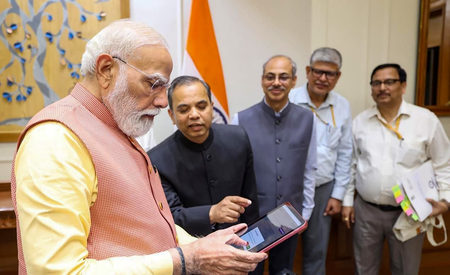
Prime Minister Narendra Modi finished his self-enumeration for Census 2027, initiating India’s inaugural fully digital census phase. This census marks a shift from the traditional paper-based system used for over 150 years. The first phase, House Listing and Housing Census (HLO), will gather data on housing conditions, assets, amenities, and household details through 33 questions.
The introduction of self-enumeration enables citizens to submit household information online voluntarily. This 15-day online window precedes door-to-door enumeration, aiming to enhance accuracy and encourage broader participation. The census will support multiple languages, including English, Hindi, and 14 regional languages.
House listing will occur between April and September 2026 in a phased manner across states. Self-enumeration is open from April 1 to April 15 in certain regions, followed by house-to-house listing from April 16 to May 15. The second phase, focusing on population enumeration, is set for early 2027, with March 1, 2027, as the reference date.
The census is anticipated to include caste enumeration for the first time since 1931, aiding policy planning, welfare schemes, resource allocation, and development strategies. Prime Minister Modi’s involvement aims to boost digital adoption and ensure broader coverage. Data security measures are in place, with data centers designated as critical information infrastructure.
The digital approach is expected to provide quicker and more reliable data after the last census in 2011. The government released 33 FAQs to guide citizens, emphasizing that no documents are needed for self-enumeration.
