


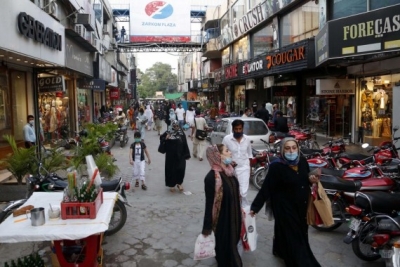
Poverty in Pakistan has surged, with nearly half of the population now living below the poverty line, according to a recent report. The Social Policy and Development Centre’s assessment indicates that 43.5% of Pakistanis are impoverished, contradicting the government’s lower figure of 28.9%. Urban centers are experiencing a sharper increase in poverty compared to rural areas, attributed to rising living costs and limited economic opportunities.
The root causes of deepening poverty include persistent inflation, weak economic growth, and political instability, exacerbating the impact of the ongoing pandemic. Income inequality is also on the rise, with wealth becoming concentrated among a small segment of the population. These economic challenges erode trust in institutions and contribute to social discontent, leading to a governance model driven more by reaction than proactive reform.
Recent data shows a significant spike in Pakistan’s short-term inflation indicator, the Sensitive Price Indicator (SPI), driven by substantial increases in petroleum and essential food prices. The SPI rose by 6.44% year-on-year, with notable hikes in petrol, diesel, and liquefied petroleum gas prices. Additionally, food items such as onions, bananas, and wheat flour saw price surges, further straining household budgets.
