


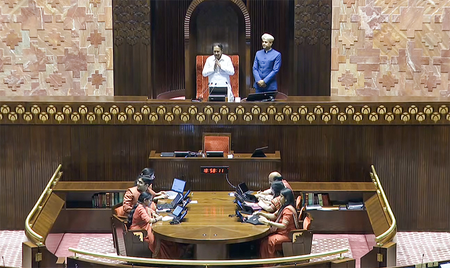
In a significant move, the Rajya Sabha approved the Jan Vishwas (Amendment of Provisions) Bill, 2026, through a voice vote. This bill aims to amend 79 central Acts under 23 Ministries, with a focus on simplifying regulations and enhancing the ease of doing business and living in India. Out of the 784 provisions targeted for modification, 717 will be decriminalized to reduce unnecessary legal burden on citizens and businesses, while 67 provisions will be altered to improve ease of living.
The proposed changes also include the rationalization of over 1,000 offenses by eliminating outdated and redundant provisions, fostering a more business-friendly and citizen-centric regulatory framework. Union Minister Piyush Goyal, in response to the discussions, strongly supported the legislation, emphasizing its benefits for common people, Micro, Small, and Medium Enterprises (MSMEs), and the animal husbandry sector. Goyal highlighted that the government is rectifying the deficiencies of the previous version, particularly addressing the unfair penalties and transitioning from a punitive approach to a justice-based system.
The Jan Vishwas Bill’s approval coincided with the Budget Session’s final day, with the decision not to adjourn the House sine die. Parliamentary Affairs Minister Kiren Rijiju announced a reconvening of the Rajya Sabha on April 16, 2026, to deliberate on proposed amendments to the Women’s Reservation Act, 2023, aiming to expedite the implementation of 33% reservation for women in legislative bodies. Opposition parties have criticized the government for rushing the legislative process for potential electoral advantages, with concerns raised about the dilution of accountability due to the shift from imprisonment to fines in certain provisions.
