


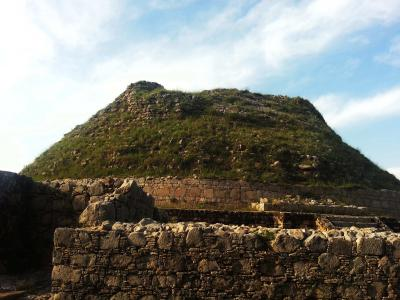
Recent restoration efforts at Mohra Moradu and Sirkap in Taxila, designated World Heritage sites, have sparked worries about the preservation of Pakistan’s archaeological treasures. Concerns have been raised due to the use of cement in repairs, a practice that violates conservation standards and reflects a lack of expertise and oversight. The Punjab Archaeology Department’s failure to respond promptly to urgent communications has been criticized as a sign of neglect towards national heritage.
Silence from authorities regarding conservation issues highlights a broader pattern of neglect in Pakistan. Preserving historical sites involves more than just physical maintenance; it requires transparency, collaboration, and respect for expert opinions. Without meaningful engagement with conservation specialists and historians, the risk of irreversible damage to Pakistan’s invaluable sites looms large. Investment in specialized training and adherence to international best practices are essential to avert such risks.
A minority rights organization recently accused Pakistan of neglecting the religious heritage of Hindu and Sikh communities. The organization reported that a significant number of Hindu and Sikh places of worship in Pakistan are either abandoned, locked, illegally occupied, or in a state of disrepair. This neglect is seen as a reflection of systemic discrimination, with minority groups facing disparities in education, employment, and representation in government.
The rights group highlighted the stark contrast between Pakistan’s promotion of sites like Kartarpur and the deteriorating condition of numerous temples and gurudwaras across the country. While some shrines are well-maintained for display, many others have fallen into disrepair, symbolizing a loss not only for minority communities but also for Pakistan’s cultural heritage and moral standing.
