


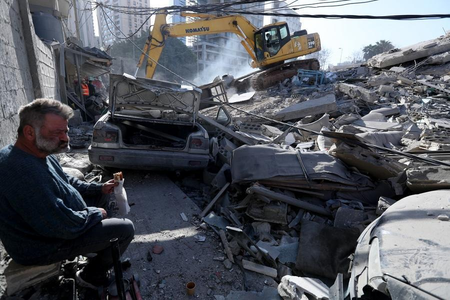
Amid ongoing hostilities in the Middle East, the UN humanitarian agencies have highlighted a significant increase in attacks on healthcare facilities in Lebanon and growing challenges for humanitarian operations in the Gaza Strip. The UN Office for the Coordination of Humanitarian Affairs (OCHA) reported a surge in attacks on healthcare facilities, ambulances, and medical personnel in Lebanon, with a total of 87 attacks recorded since the escalation began, resulting in the deaths of 52 health workers and injuries to 126 others. The World Health Organization (WHO) documented seven incidents over a weekend in Lebanon, leading to the tragic deaths of at least nine health workers while they were on duty.
In southern Lebanon, ambulances, including those transporting casualties from previous attacks, were struck by airstrikes in the town of Kfar Sir in Nabatieh governorate. The UN’s deputy special coordinator and humanitarian coordinator for Lebanon, Imran Riza, along with WHO Representative in Lebanon Abdinasir Abubakar, issued a joint statement calling for the protection of health workers and first responders, emphasizing that medical personnel and facilities should never be targeted. Despite the deteriorating security situation, OCHA and its partners are working closely with the government to provide assistance to those in need.
The situation in the occupied Palestinian territories remains dire, with lethal attacks on civilians continuing in Gaza and the West Bank. OCHA reported airstrikes and shelling hitting residential areas in Gaza over the weekend, while incidents of fatal shootings by Israeli forces and attacks by Israeli settlers were recorded in the West Bank. International non-governmental organizations (NGOs) have expressed their intention to challenge a new Israeli NGO registration system in the High Court of Justice, citing increased restrictions on their operations in Israel and the occupied Palestinian territories.
OCHA emphasized the critical role played by international NGOs in the humanitarian response, collectively delivering approximately $1 billion in assistance annually in the territories. The new registration requirements, along with other measures, are impeding people’s access to humanitarian services. The office called on Israeli authorities to ensure the unimpeded passage of humanitarian relief, reverse policies obstructing humanitarian operations, and allow humanitarian organizations to operate in accordance with humanitarian principles.
