


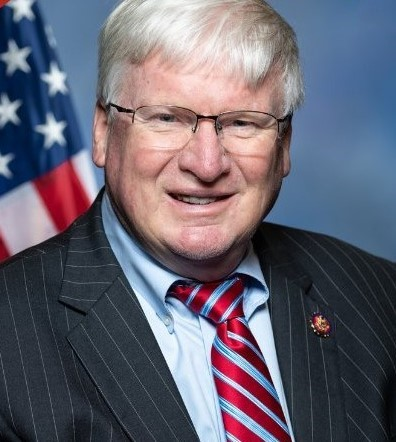
An increasing number of Americans are seeking mental health treatment, but experts have raised concerns about worsening outcomes. During a Congressional roundtable, it was highlighted that while the number of adults receiving mental health care has more than doubled in the past two decades, reaching around 60 million in 2024, depression rates are at historic highs and suicide rates have surged. Congressman Glenn Grothman questioned why, despite more people being treated, there are no significant improvements in results.
Experts at the roundtable, including health law professor David Hyman, pointed out that the issue lies in the structure of the mental health system. Although spending on mental health and substance use disorders has increased rapidly, accounting for about 5% of total healthcare spending, the higher expenditure does not necessarily lead to better outcomes. Hyman emphasized the presence of misaligned incentives and a lack of reliable measures to gauge effectiveness in the system.
Psychiatrist Sally Satel expressed concerns about overdiagnosis and the medicalization of everyday distress, stating that clinicians are diagnosing individuals who may not actually have psychiatric conditions. She highlighted a rise in diagnoses among children, with one in 36 children identified with autism in 2023 compared to one in 110 in 2006. Satel also mentioned the overreliance on medication for attention deficit hyperactivity disorder without adequate evaluation, bypassing behavioral therapies that could be effective over time.
Laura Delano, a former patient and founder of the Inner Compass Initiative, shared insights on the long-term consequences of psychiatric treatment. She noted that many Americans are prescribed psychiatric medications without sufficient information on long-term risks or safe discontinuation methods. Delano emphasized that the mental health crisis is largely due to overmedicalization, where complex human struggles are reduced to medical conditions requiring pharmaceutical intervention.
The increasing suicide rates and mental health challenges, especially among young people, have led to a reevaluation of current care approaches to address the underlying social, behavioral, and economic factors contributing to distress.
