
Close Menu
  • Indian Festivals 2026
  • Movie & OTT Releases This Week
  • News
  • Entertainment
  • NRI Life
  • Advertise with us
Facebook X (Twitter) Instagram YouTube
  • Download Indian Community App
  • Advertise Here
Facebook X (Twitter) Instagram
Indian CommunityIndian Community
Trending
  • Weekend OTT Watchlist: What to Stream This Weekend (March 27–29, 2026)
  • Satan – The Dark Movie Review: A Haunting Tamil Horror That Stays With You Long After the Credits Roll
  • Derby (2026) Review: A Feel-Good Malayalam Campus Entertainer Packed With Youth and Friendship
  • Toaster on Netflix: Rajkummar Rao’s Dark Comedy Has a Release Date — And It’s Gloriously Bizarre
  • Suyodhana Movie Review: Priyadarshi’s Career-Best Performance Powers This Gripping Sound-Driven Thriller
  • Nee Forever Review: A Charming Tamil Romance That Makes Modern Love Feel Real
  • Yaava Mohana Murali Kareithu Review: A Pure-Hearted Kannada Gem That Tugs at the Soul
  • Panchhi 2 Review: Prince Kanwaljit Singh Delivers a Career-Defining Performance in This Bold Psychological Thriller
  • Indian Festivals 2026
  • News
    • National
    • International
    • Entertainment
    • Scam Alerts
    • Achievements
    • Business
    • Health & Medicine
    • Science & Technology
    • Sports
  • Entertainment
  • Latest Movie Releases
    • Latest OTT Releases
  • NRI Life
  • India & Culture
  • Health & Wellness
Indian CommunityIndian Community
Home » News » National
National

SHANTI Bill Marks Major Science Reform Under Modi Government

Indian Community Editorial TeamBy Indian Community Editorial TeamDecember 28, 20252 Mins ReadNo Comments Add us to Google Preferred Sources
SHANTI Bill Marks Major Science Reform Under Modi Government
Share
Facebook Twitter LinkedIn Pinterest Email

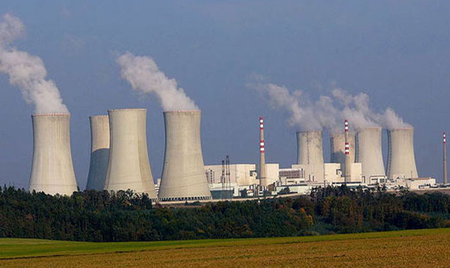
The SHANTI Bill, hailed by Union Minister for Science & Technology Dr Jitendra Singh, is a significant science reform by the Narendra Modi government in the nuclear sector. This bill, officially known as Sustainable Harnessing and Advancement of Nuclear Energy for Transforming India, is a historic step that unlocks India’s nuclear potential for clean and sustainable energy while upholding safety and public interest standards. Dr Singh emphasized that this reform, which was unthinkable for over six decades, became a reality due to Prime Minister Modi’s efforts to align India’s policies with global best practices.

Prime Minister Modi’s third term is marked by bold structural reforms, focusing on science, innovation, and entrepreneurship. Unlike previous reform phases linked to political and strategic decisions, Modi 3.0 is recognized for breaking barriers in sectors crucial for India’s technological and economic future. Dr Singh reiterated India’s commitment to peaceful nuclear use, tracing back to Dr Homi Bhabha’s vision of nuclear development for healthcare, energy security, and overall progress. The SHANTI Bill further strengthens this commitment by expanding nuclear energy for civilian purposes like power generation, medical applications, and advanced research, all while ensuring peaceful intent.

Nuclear energy is deemed essential for India’s transition to a reliable power source, especially in the face of demands from the emerging AI, quantum, and data-driven economy. As the country moves away from fossil fuels, nuclear energy is seen as crucial for sustaining advanced technologies, digital infrastructure, and strategic sectors. India’s nuclear power capacity has doubled since 2014, reaching nearly 8.7 GW, with plans to significantly increase this capacity in the coming years, aiming for around 100 GW by 2047 to support the national Net Zero commitment.

Dr Singh highlighted the expanding role of nuclear science in healthcare, particularly in cancer diagnosis and treatment through nuclear medicine and isotopes. Nuclear technology is increasingly contributing to life-saving medical interventions, showcasing its importance for human welfare and societal well-being. India is also progressing towards small modular reactors, tailored for urban clusters, industrial corridors, and economic zones, to enhance energy security and environmental responsibility. The SHANTI Bill has garnered wide acceptance, reflecting a national consensus on the necessity to modernize India’s nuclear sector, as part of Modi 3.0’s science-led policy decisions towards India’s development by 2047.

AI data-driven economy Dr. Jitendra Singh Healthcare Homi Bhabha India Modi government Narendra Modi Net Zero commitment Nuclear Energy Nuclear Power nuclear sector quantum science reform SHANTI Bill small modular reactors
Add us to Google Preferred Sources
Indian Community Editorial Team

The Indian Community Editorial Team curates, verifies, and publishes stories that matter to Indians worldwide. From culture and community to business and innovation, our mission is to spotlight voices, ideas, and events that bring our global community closer together. Have news or a story to share? Submit it to us at [email protected].

Related Posts

India-EU and India-UK Free Trade Agreements: What They Really Mean for Indian Immigration

Canada PR for Indians 2026: 4 Critical Steps to Secure Permanent Residency Through Express Entry

H-1B Visa Interview Appointments for Indians Pushed to 2027: What You Need to Know Now

Add A Comment

Twinkle Khanna Praises Gen Z’s Forward-Thinking Mindset

March 28, 2026

Andrew Garfield Admits to Doomscrolling on Secret Social Media Accounts

March 28, 2026

Defence Stocks Rise, Auto and Shipbuilding Shares Fall on South Korean Stock Market

March 28, 2026

Foreign Visitors Flock to Seoul’s Shopping Districts During BTS Concert

March 28, 2026
  • Facebook
  • Twitter
  • Pinterest
  • Instagram
About Us
  • About Us
  • Contact Us
  • Terms of Service
Corporate
  • Download Indian Community App
  • Advertise Here
Facebook X (Twitter) Instagram
  • About Us
  • Contact Us
  • Terms of Service
© 2026 Designed by CreativeMerchants.

Type above and press Enter to search. Press Esc to cancel.