


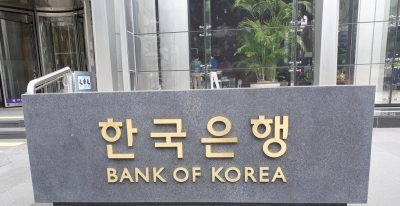
South Korea’s central bank decided to keep its benchmark interest rate steady at 2.5 per cent, citing concerns over a weakened won and rising inflation. This marks the fifth consecutive meeting where the Bank of Korea (BOK) has opted to maintain the rate, with risks related to housing prices, household debt, and exchange rate volatility still prevalent.
The Monetary Policy Board of the BOK highlighted that while inflation is expected to decrease gradually, the elevated exchange rate poses a risk. The decision to hold the rate was unanimous, although one board member suggested the possibility of future rate cuts in the next three months. The central bank also removed references to potential rate cuts from its policy statement for the first time since October 2024.
BOK Governor Rhee Chang-yong emphasized the uncertainty surrounding economic growth, inflation sensitivity to exchange rates, and the impact of U.S. monetary policy direction. The recent decision to maintain the rate comes amidst a weakened won and increased volatility in the foreign exchange market, with concerns that a rate cut could lead to further capital outflows and exacerbate currency depreciation.
The central bank expressed that the Korean won is undervalued compared to economic fundamentals, with external factors like a strong U.S. dollar contributing significantly to the currency’s weakness. Despite challenges, the BOK expects the local economy to grow by 1.8 per cent this year, driven by strong exports and a recovery in private consumption.
