


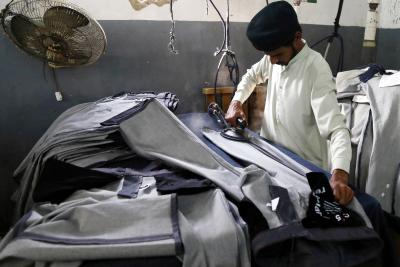
A recent study by the Labour Education Foundation (LEF) and Arisa, a Holland-based rights body, uncovered labor rights violations within Pakistan’s textile recycling sector. Despite the promotion of textile recycling as a sustainable practice by fashion brands, the research highlighted a lack of awareness and accountability regarding labor conditions in the industry. The study analyzed 20 prominent brands, shedding light on the harsh realities faced by workers in Faisalabad and Karachi, the main hubs of Pakistan’s textile recycling.
Many of the fashion companies examined, although selling garments made from recycled textiles, demonstrated a concerning lack of knowledge about the working conditions and wages of laborers involved in handling textile waste. Workers in this sector reported grueling schedules of up to 12 hours per day, seven days a week, often without formal contracts, salary documentation, or job security. The report also revealed that wages were insufficient to cover basic living expenses, with workers facing exposure to hazardous conditions without proper protective gear or ventilation.
The study emphasized the vulnerability of workers in the textile recycling industry, a demographic largely composed of migrants and individuals from marginalized communities. Limited employment opportunities force many workers into these challenging conditions, with instances of child labor also documented. Despite these troubling findings, many brands either lack transparency about their recycling supply chains or attempt to evade responsibility through vague disclosures, all while promoting recycled clothing as a sustainable and ethical choice.
LEF and Arisa have called on fashion brands to take proactive steps by thoroughly mapping their supply chains, particularly those involving recycling facilities, and addressing the labor and human rights risks prevalent in the industry.
